- Date/Time: 6:00 pm-10:30 pm, Thursday, October 15th, 2026
- Location: The Adventurers Club of Los Angeles
- Category: Open Night
- Dinner Menu: French Night
Livestream
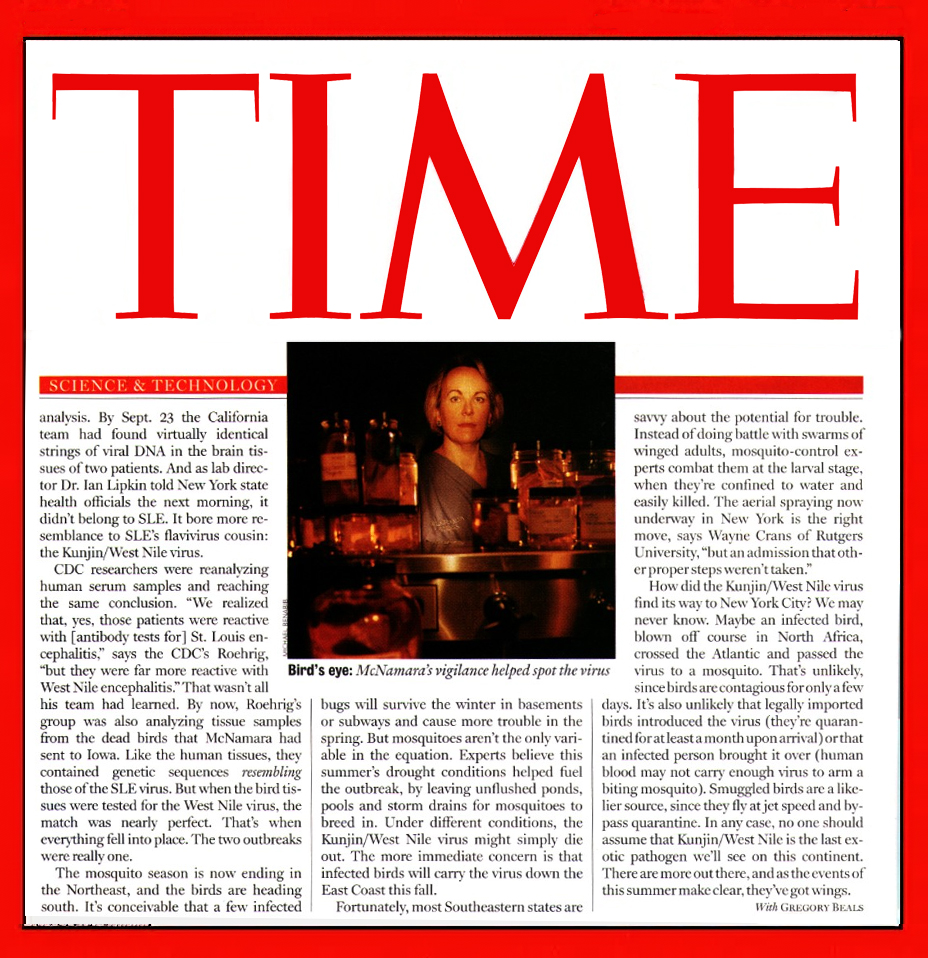
Dr. Tracey McNamara specializes in the recognition and understanding of the diseases of captive and free-ranging wildlife and is best known for her work on West Nile virus. In The Scientist (March 4, 2002), she is credited as having “served a central role as a unifying force, molding and sometimes forcing interrelationships between local and federal government agencies and private enterprises, enabling progress toward the common goal of monitoring a newly emerging disease in the United States.”
In 1999, Dr. McNamara’s life changed in a heartbeat. One moment, she was working as a veterinary pathologist at the Bronx Zoo in New York City, bottle feeding tiger cubs and working to save endangered species. In the next, she found herself in the worlds of biodefense and the intelligence sectors. Her investigation into what was causing an unusual die-off of crows and zoo birds led to the discovery of the West Nile virus, a virus that had never before detected in the Western hemisphere.
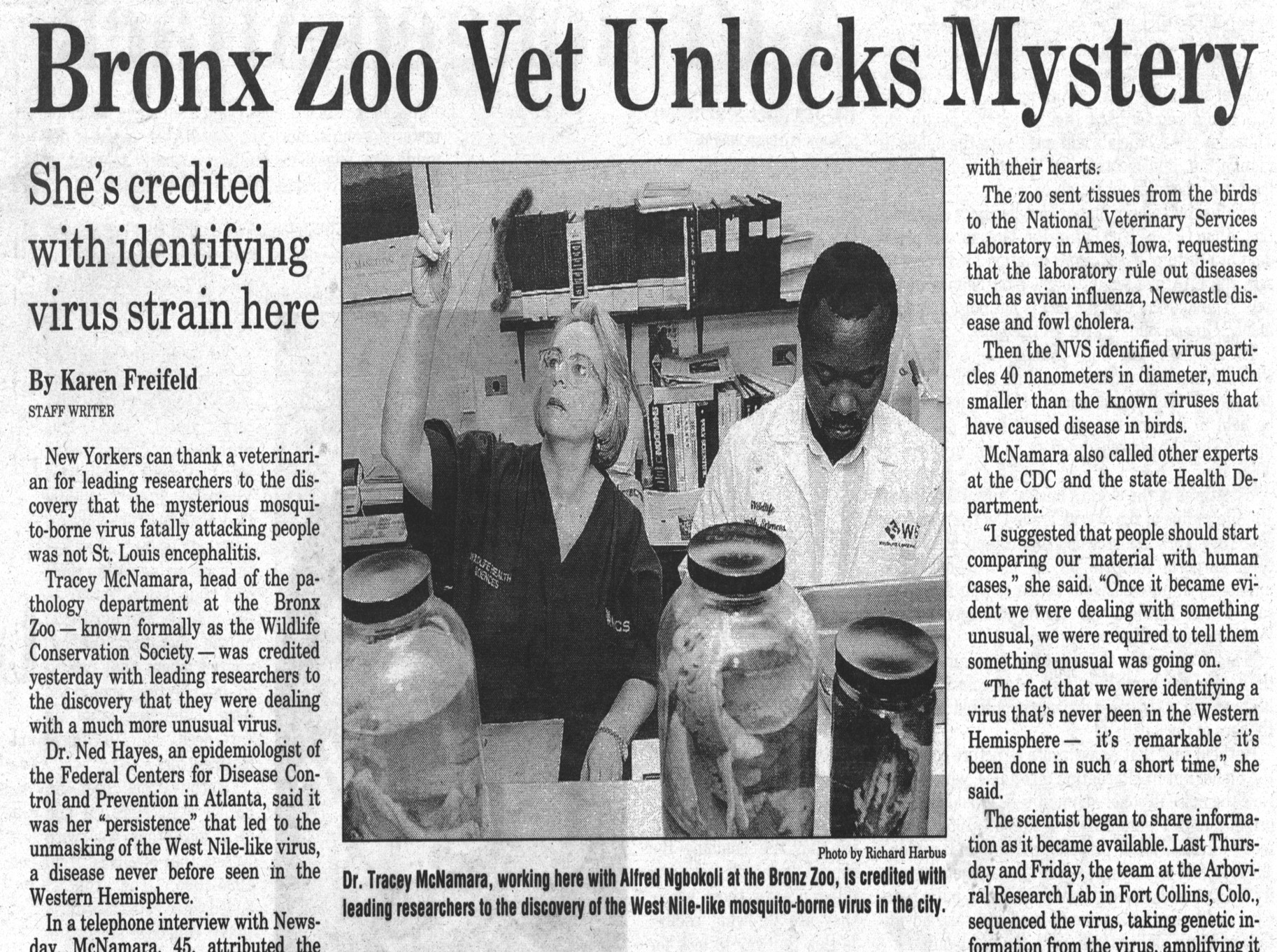 After weeks of struggling to get the animal samples tested by the CDC, Dr. McNamara turned to the Department of Defense and the biowarfare facility, U.S. Army Medical Research Institute of Infectious Diseases (USAMRIID) at Fort Detrick for help. When she explained, “It is something new to veterinary medicine. It may be the same thing killing people in NYC,” the Army’s response was, “You send us those samples on dry ice tonight!” Forty-eight hours later, a crucial connection – and history – was made. But only after a serious delay of 2.5 months. Dr. McNamara believes early warning signs were missed and that, had the birds been correctly diagnosed at the beginning of June, human deaths by mid-August might have been prevented.
Through her experience investigating West Nile virus, Dr. McNamara identified critical weaknesses in the US government’s ability to detect and respond to disease threats that cross between animals and humans. Zoonotic threats have increased over the past two decades, posing growing challenges to public health. Naturally occurring outbreaks like Highly Pathogenic Avian Influenza (HPAI – H5N1), Nipah virus, and Hendra virus can have high mortality rates. For the past 25 years, Dr. McNamara believes responses to these outbreaks have remained largely reactive. She also believes the nation’s ability to detect biothreats of intentional origin are similarly limited.
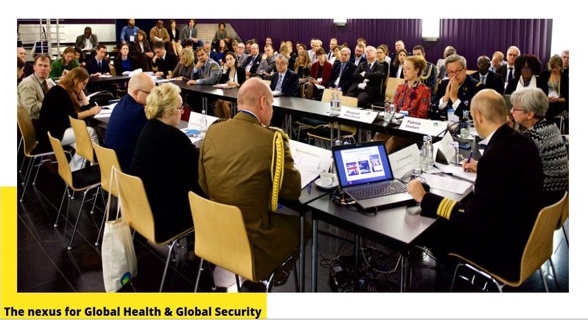 Since her work on West Nile virus, Dr. McNamara has worked tirelessly to address the gaps in biosurveillance. In today’s chaotic world, her story shows that one person can still make a difference on a global scale. Join Dr. Tracey McNamara at the Adventurers’ Club as she recounts the discovery of West Nile virus in New York, the challenges she encountered along the way, and how those experiences helped shape modern biosurveillance.
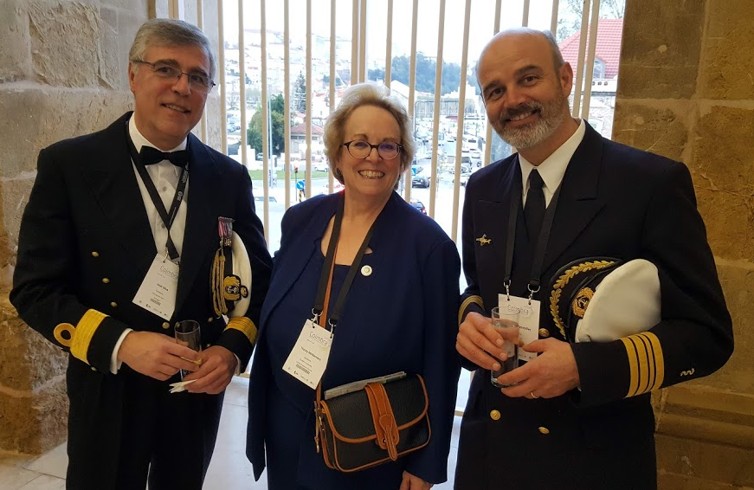 Dr. Tracey S. McNamara, D.V.M., Diplomate, A.C.V.P., is a veterinary pathologist and a Professor of Pathology at Western University of Health Sciences College of Veterinary Medicine in Pomona, CA. She is also a Distinguished Scholar and Fellow of the National Academies of Practice (NAP). Dr. McNamara specializes in the recognition and understanding of the diseases of captive and free-ranging wildlife and is best known for her work on the discovery of the West Nile virus in 1999. In 2004, she worked on DTRA’s “Integrated Biosurveillance for Zoonotic Threats” program in Uzbekistan, Kazakhstan and Georgia. She served as lead on a project with Russian colleagues on the “Human-Animal Interface: Improving Biological Threat Detection and Surveillance in Russia” by the Nuclear Threat Initiative’s Global Health and Biosecurity program in Wash. DC. Dr McNamara worked closely with the Asst. Secretary for Preparedness and Response (ASPR) during COVID and with colleagues on the National Security Council. She led a Technical Advisory Team advising Senator Gillibrand’s office on creating the “One Health Security Act” (S. 5354) that was introduced by the Senator to the 117th Congress. Dr. McNamara continues to be actively involved in the development of the Nation’s biosurveillance strategy. She gave a TEDxUCLA talk in 2018 entitled “Canaries in the Coalmine” about how to address continued gaps in biosurveillance for emerging biological threats. Dr. McNamara is working on a book entitled ” The Cats are in the Car”, the meaning of which will be made clear in the presentation.